Window & door planning
Door Repair in Poinciana, Florida: Signs and Next Steps
Learn what door repair involves in Poinciana, Florida: common symptoms, safety concerns, and details to gather before seeking help.
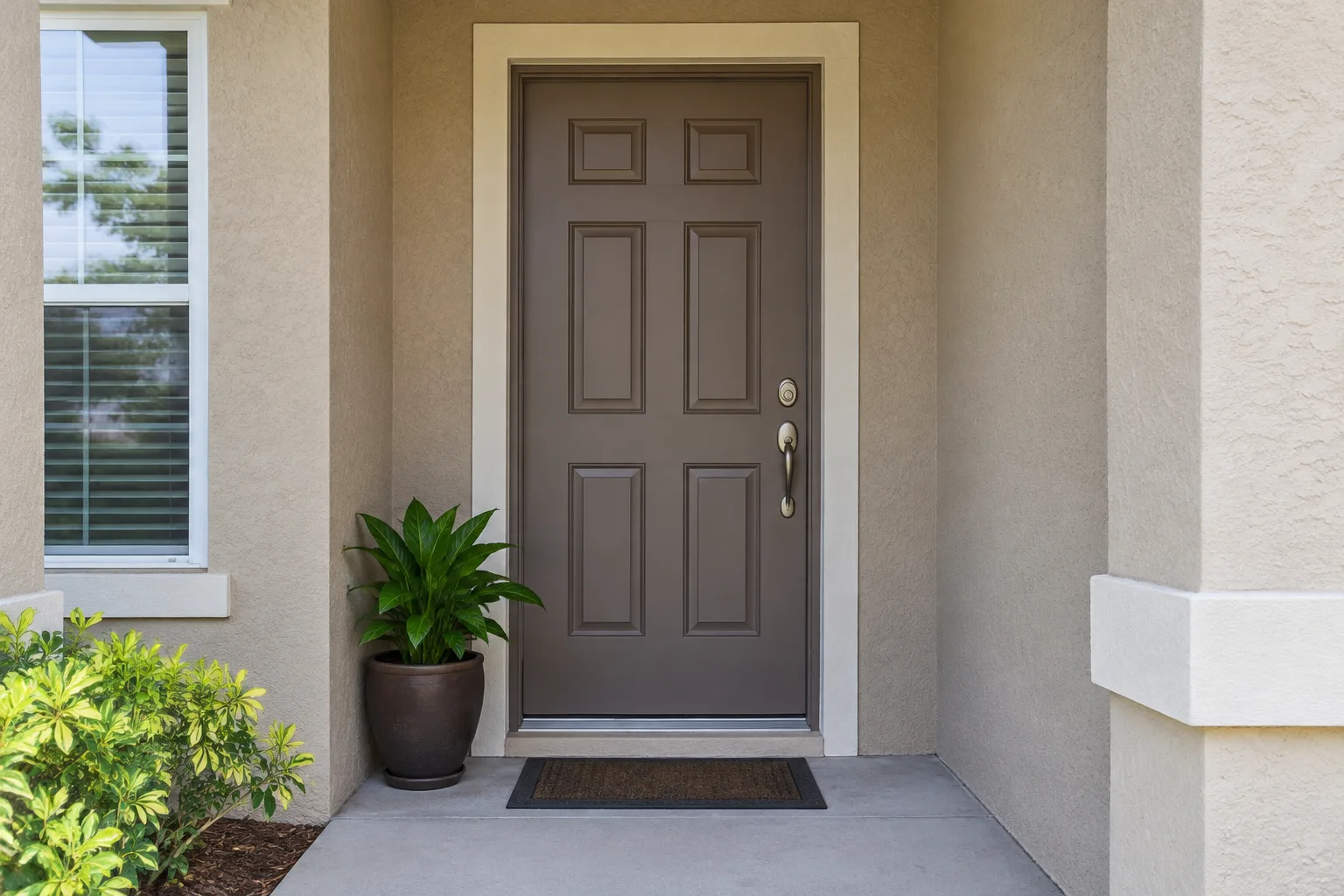
Door repair can mean adjusting a latch, replacing worn weatherstripping, or addressing a door that no longer closes or seals properly. Start by noting what changed, where you see a gap, and whether the problem affects operation, comfort, or security. In Poinciana, Florida, those details help you describe the issue and compare a focused repair with broader work.
Key Takeaways
- A door that sticks, leaks air, or fails to latch needs a different repair approach based on the cause.
- Check the hinges, latch, frame, threshold, and weatherstripping before deciding whether the door itself needs replacement.
- Weatherstripping can help address air leaks, while alignment or hardware problems call for a different fix.
- Describe the symptoms and ask what parts and surrounding areas the proposed work includes.
How to narrow down the cause of a door problem
Begin with a symptom you can reproduce instead of guessing at a replacement. Does the door rub at the top or drag along the floor? Does it bounce off the latch? Look for visible daylight around an edge. Note when the problem happens and whether it changes after rain or when the door is warm. Then inspect the whole opening. A loose hinge screw, worn latch, damaged weatherstrip, or shifted frame can cause similar symptoms. Each points toward a different repair. Photograph the gap or damaged area. If you know it, note the door’s material and approximate age.
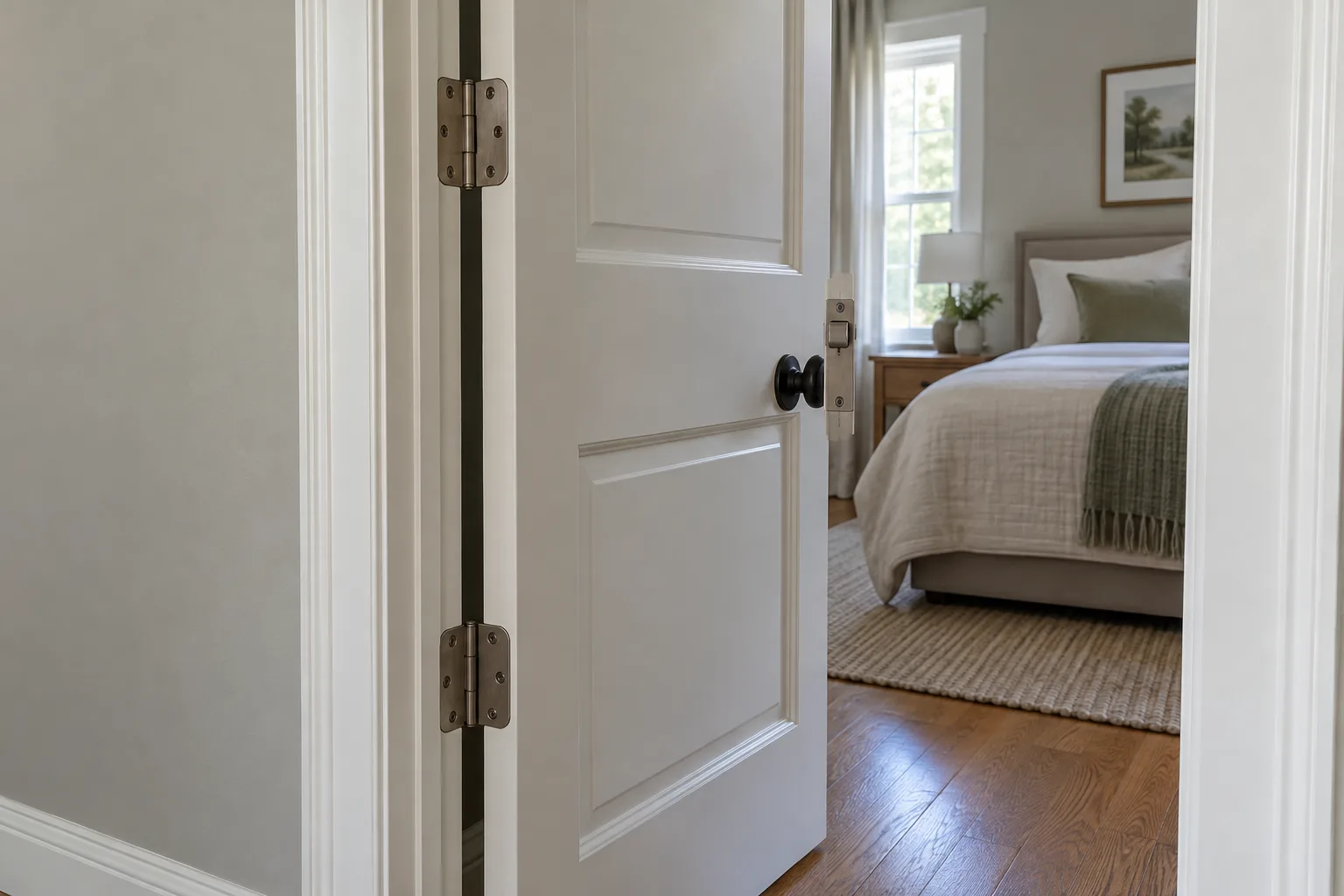
A sticking door may rub because its hardware or alignment has changed. Marvin recommends checking that exposed hardware screws are secure. Marvin also recommends clearing dirt and dust from door hinges. These checks can help narrow down the cause; the right repair depends on the door and the problem. If the latch misses its strike plate, observe whether the closed door sits evenly in the frame. A latch adjustment may address a small alignment issue. A sagging door or damaged frame can require more involved work. Avoid forcing the handle, which can make the problem harder to diagnose.
How to check for drafts around a door
For air coming around a closed door, inspect the weatherstripping and threshold before assuming the entire door needs replacement. ENERGY STAR lists weatherstripping on doors as a simple air-sealing fix. It recommends identifying the specific home problem before choosing a project. A useful check is to look for torn, compressed, missing, or uneven weatherstripping and note where the gap appears. Also check whether the door meets the threshold evenly. A draft along one edge suggests a different repair scope. A damaged slab, loose frame, or door that will not latch can require broader work.
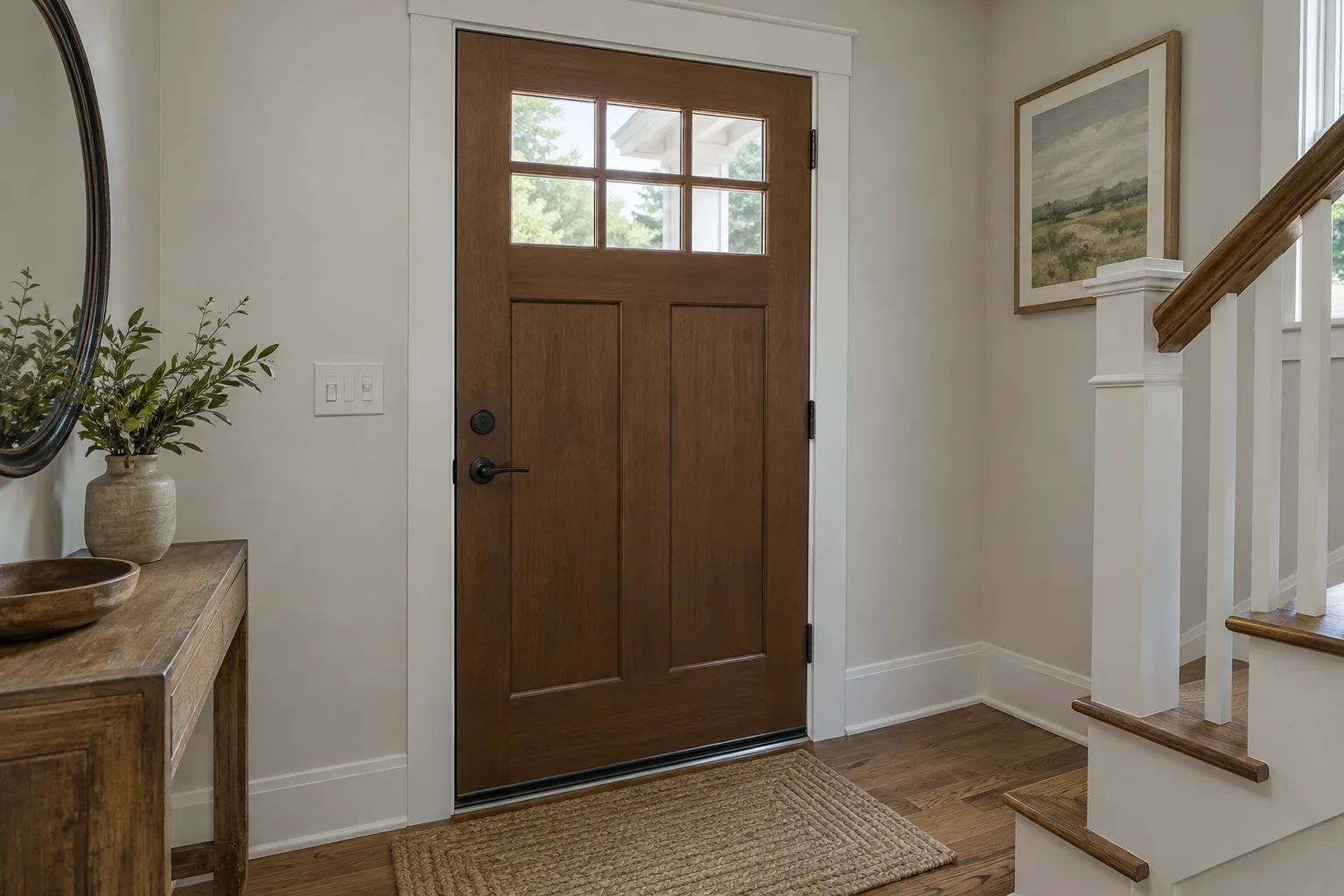
Weatherstripping and caulk serve different places in the opening. Weatherstripping seals the moving contact between a door and its frame; caulk seals appropriate stationary gaps around building components. ENERGY STAR identifies weatherstripping for doors and caulking around windows as simple air-sealing measures. Marvin likewise advises trimming old, loose caulking and sealing gaps with an appropriate caulk. That guidance concerns suitable gaps, not a reason to cover moving joints or hide damage. When describing the issue, point out whether the leak seems to come from the door’s edge, the threshold, or the surrounding trim.
When door repair may be enough and when to consider replacement
Choose a repair when the problem appears limited to a serviceable part, such as a latch, hinge, or weatherstrip. Consider broader replacement only when the door or frame has damage that a focused repair will not address, or when the door no longer meets your needs. The comparison below helps organize what to ask about. Keep the comparison tied to the observed symptom and the work included in the proposal.
| Observed issue | Possible focus | Ask about |
|---|---|---|
| Loose handle or latch | Hardware | Adjustment or replacement |
| Draft at door edge | Weatherstripping | Seal contact and fit |
| Gap at stationary trim | Caulk or trim | Where the gap begins |
| Door rubs or sits unevenly | Hinges or alignment | Cause of the movement |
| Damaged door or frame | Door and opening | Repair scope or replacement |
The symptom points to a starting place, not a guaranteed diagnosis. A draft at the moving edge suggests checking the weatherstrip and fit. A gap in stationary trim raises a different question about the surrounding opening. If a proposal addresses only the lower door edge, ask whether it also accounts for any visible gap elsewhere. For example, a homeowner who feels air at the latch side but sees no damage can compare the seal and door fit first. A cracked frame or persistent misalignment calls for a broader decision. Replacing one small part may leave the underlying condition untouched.
What to ask about an exterior door opening
For an exterior door, ask how the proposed work addresses the door, frame, weatherstripping, and threshold as a connected opening. ASTM International describes cyclic air-pressure testing as a way to assess structural performance under repeated pressure. The test can represent repeated wind loads on exterior building surfaces. It does not diagnose an individual door. This distinction matters when a concern involves wind or repeated movement. ASTM says actual loading varies with wind direction, time, building shape, terrain, and surrounding structures. Describe the observed condition and ask what the proposed inspection covers. Do not infer performance from a single visible symptom.
FAQs
Can weatherstripping fix a drafty front door?
Weatherstripping can help when air leaks through the contact between a closed door and its frame. ENERGY STAR names door weatherstripping as a simple air-sealing fix. First locate the gap and check whether the door meets the threshold and frame evenly; a damaged frame or alignment problem may need a different repair.
Why does my front door stick or fail to latch?
A sticking or misaligned door can involve its hinges, hardware, fit, or frame, so the symptom alone does not identify the repair. Check where the door rubs and whether the latch lines up when the door rests evenly. Marvin recommends checking exposed hardware screws and cleaning dirt from hinges as maintenance steps.
Should I repair or replace my exterior door?
Repair is a reasonable starting point when the issue appears limited to serviceable hardware, weatherstripping, or a small adjustment. Broader damage to the door or frame can make replacement worth discussing. Describe the symptoms and ask which parts of the door and opening the proposed scope addresses before comparing options.
Conclusion
Before arranging door repair in Poinciana, Florida, write down the symptom, where it occurs, and what you have already checked. Then call Windows and Doors by Martin Toro to ask about your own project and explain the condition you have observed.
Call Windows and Doors by Martin Toro and ask about entry doors