Window & door planning
Flush Fin Windows: Fit Checks for Sanford, Florida Homes
Learn how flush fin windows use a face flange and what to check about the existing frame, opening fit and finishing scope before choosing a unit.
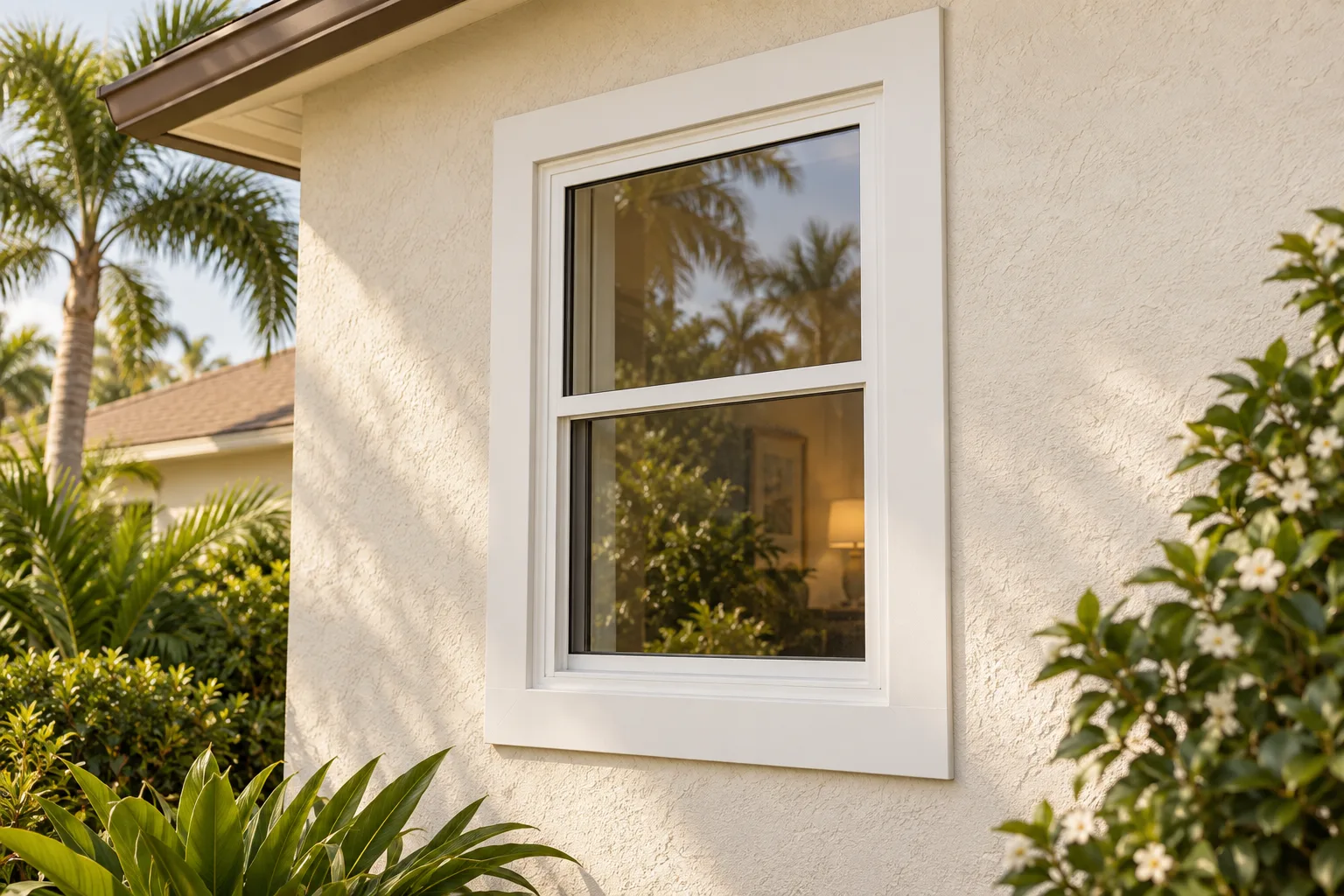
Choosing a replacement window can get complicated when you want to keep the existing frame and exterior finish. Flush fin windows may suit some retained-frame openings, but the visible flange alone cannot tell you whether a particular unit fits or how it should be attached. The frame, wall finish and product instructions all matter.
For homeowners comparing options in Sanford, Florida, the useful question is not simply whether a window has a flange. It is whether the selected product fits the actual opening and what work remains around the exterior and interior. This guide explains the difference between a flush fin and a nailing fin, the opening conditions to check, and the questions to ask about fit and finishing before choosing a unit.
Key Takeaways
- Flush fin windows have a face flange used as trim, not a nailing fin for wall attachment.
- A retained-frame replacement depends on compatibility among the product, existing frame and surrounding wall.
- Projecting parts, sill support and interior reveals can affect whether a specific unit fits the opening.
- Product instructions govern attachment, sealing and drainage details, so ask which exact documents apply.
What Are Flush Fin Windows?
Flush fin windows are replacement windows with a face flange used as exterior trim; some products use it to cover an existing frame when the product and opening are compatible. The flange is also called a Z-bar or stucco flange. It is not a nailing fin used to attach a window to wall sheathing.
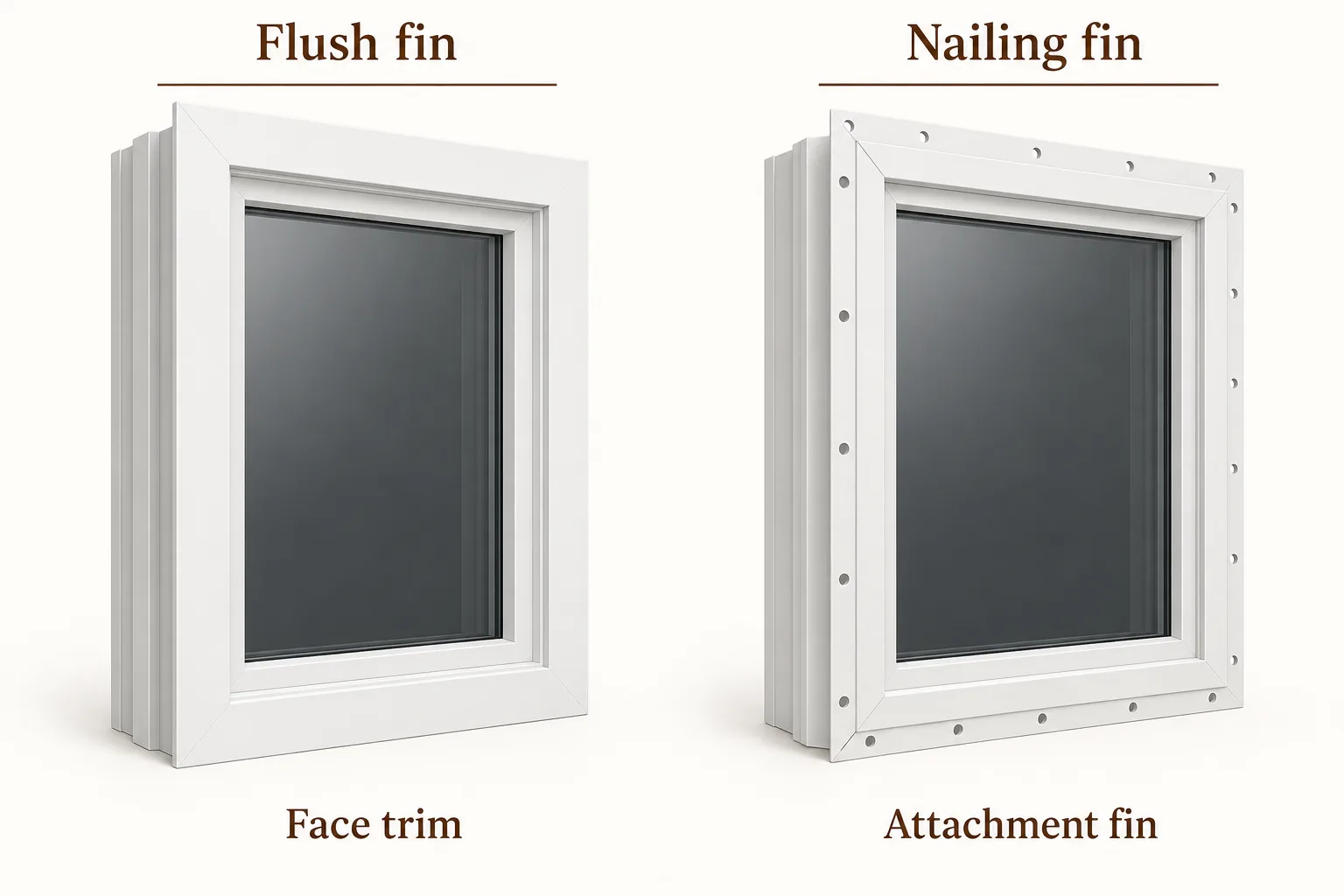
In a retained-frame replacement, the old frame stays in place rather than being removed with surrounding exterior material. The flange may overlap that frame and the exterior finish, but it does not show that the frame is sound or establish how the new unit should be fastened. Think of it as a cover at the edge, not a structural solution.
Check the Opening Before Choosing a Unit
Identify what will remain and what the selected window must fit around. Retaining the old frame differs from removing it along with surrounding exterior material. The distinction matters because the new flange must meet the actual frame and wall conditions; its presence does not make every opening compatible.
Before selecting a product, establish the existing frame material and whether it is suitable to retain. Note the exterior wall finish and any parts that project where the flange would meet the opening. A product-specific test fit may show whether the flange contacts the exterior as intended, the sill has support, and the interior reveals—the visible edges around the opening—remain acceptable.
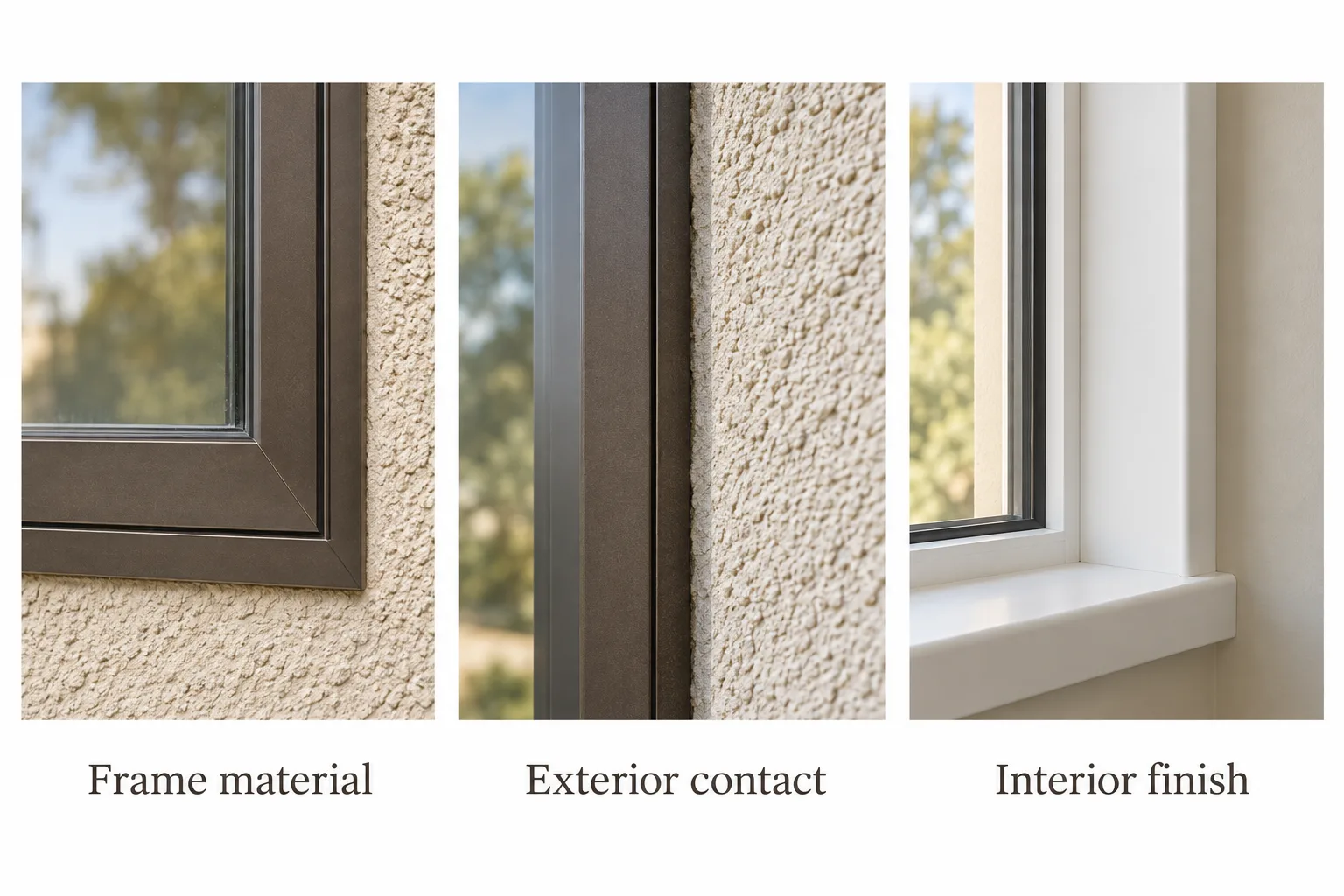
These are fit considerations, not a universal removal or installation recipe. Manufacturer instructions may assume construction, sealing and glass-handling knowledge. If you cannot assess the frame or support confidently, get a qualified assessment before ordering.
Compare Fit and Finishing Scope
Flush-fin dimensions and eligibility are not universal. For example, Andersen describes its 100 Series flush-fin units for select markets and existing aluminum frames with a 3/8-inch-wide exterior surface. Its overview also excludes tear-out replacements and openings more than three stories above grade. These are restrictions for that product example, not rules for every flush-fin window; verify regional availability and the exact unit’s instructions.
Product documents also distinguish what the flange does from what secures the window. JELD-WEN describes a flush-fin face flange as trim and points to product-specific anchoring requirements for Florida. That guidance does not determine current local code or prove a product suits a particular opening. Ask which product drawings and instructions apply to the unit under consideration.
Use the comparison below to turn opening conditions into questions you can resolve before choosing. Compare the actual opening and product, not just the label “flush fin.”
Ask About the Fit and Finishing Details
| Decision point | What to compare | Question to resolve |
|---|---|---|
| Flange function | Face trim versus attachment details | What secures this unit, according to its instructions? |
| Existing-frame fit | Frame material, condition and exterior contact | Can this product fit the retained frame and wall? |
| Projections and support | Parts at the face and sill support | Could these conditions affect fit or support? |
| Interior finish | Gap and visible reveal around the unit | What interior finishing work remains? |
| Sealing and drainage | Product-specific air seal, sealant and sill details | Which instructions govern these details? |
The table guides a scope conversation; it does not replace product instructions. International Window’s Series 5365 guidance, for example, considers existing materials, wall construction, projecting parts, sill support and interior reveals. It also describes compatible sealant and sill drainage gaps. Those details belong to that product guidance, not a universal installation method.
Ask for the exact instructions and drawings for the selected unit, then compare them with the opening conditions. This confirms which product-specific requirements apply and helps clarify finishing scope without assuming trim alone resolves fit.
FAQs
What is a flush fin on a window?
A flush fin is a face flange used as trim, not a nailing fin. Some replacement products use the flange to cover an existing frame, but whether that approach fits depends on the specific unit, frame and wall. Check the product instructions and the actual opening conditions rather than assuming all flush-fin windows have the same dimensions or requirements.
Does a flush fin attach the window to the wall?
Not automatically. The face flange is trim; it does not by itself show how a window is attached or whether the existing frame can support the selected replacement. The product’s instructions and drawings govern attachment details. Ask how the frame, wall and product work together, and do not treat the flange as evidence of structural suitability.
What should I check before choosing flush fin windows?
Compare the existing frame material and condition, exterior finish, projecting parts, sill support and interior reveals with the exact product requirements. Ask how the flange will contact the exterior, how the interior gap will be finished and which instructions apply. These checks help identify fit and scope questions before ordering.
Conclusion
Before choosing a flush-fin unit, confirm that the existing frame, exterior contact and interior finish suit that specific product. The flange is trim, not proof of structural attachment or a remedy for an unsuitable opening. Write down the questions that remain and compare the exact product instructions with the opening conditions. For a practical next step, call Windows and Doors by Martin Toro and ask about your project.