Window & door planning
Baseboard Covers in Deltona, Florida: Fit and Options
Learn how baseboard covers fit over existing trim, what to check before choosing them, and when replacing old baseboards may be a better option.
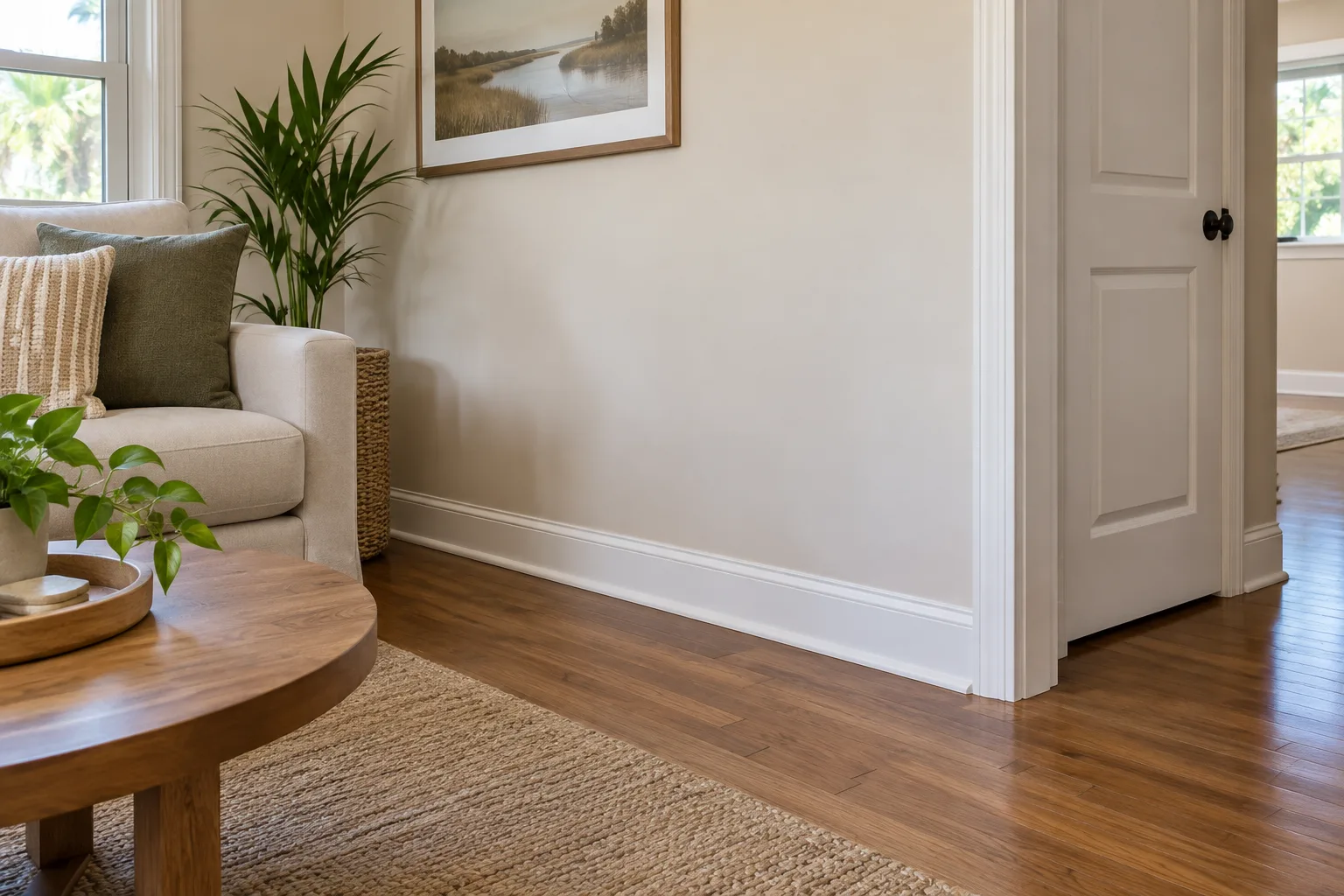
Baseboard covers can mean trim that hides old wall baseboards or replacement covers for baseboard heaters. First, identify what you want to cover. In Deltona, Florida, that distinction helps you choose the right option. You might use a trim overlay, a heater-cover retrofit, or new trim around existing molding. Measure the existing baseboard or heater, then check what sits behind it. Compare options by fit, finish, and the work involved.
Key Takeaways
- First identify whether you mean architectural baseboard trim or the metal cover on a baseboard heater.
- Overlay trim can preserve existing molding, while heater-cover replacements must fit the heater behind the cover.
- Measure the height, depth, and length of a heater before choosing a replacement cover.
- Compare seams, corners, and end pieces along with the main cover when planning a finished look.
What Do Baseboards That Cover Old Baseboards Mean?
The phrase “baseboards that cover old baseboards” usually points to an overlay: new trim fitted over existing architectural baseboard. That is different from a baseboard heater cover, which fits around heating equipment. The right choice depends on what is there now and whether you want to hide trim, a heater, or both. Start by looking at the full wall-floor junction. If the old baseboard is dated or damaged, an overlay can leave it in place. It changes the visible profile. If you see a metal cover with a heating element behind it, identify the heater type. Then choose a heater-cover system designed for that equipment.
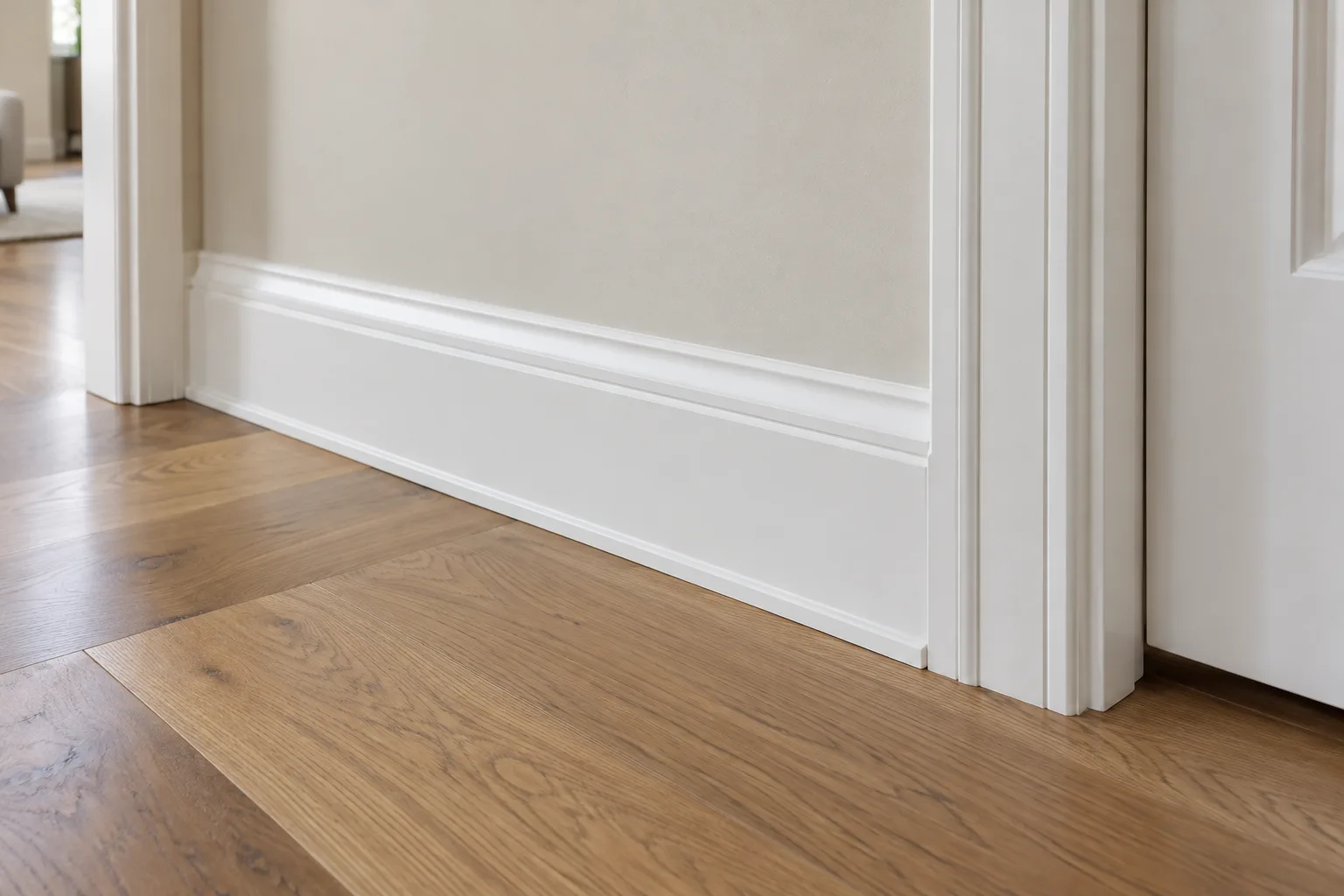
A room can gain new wall detail while keeping its existing molding in place. This Old House describes a wainscoting approach that uses the wall as the frame. That example is not a baseboard overlay product. Before buying trim, plan how it will meet the existing molding, flooring, door casings, and nearby wall details.
How to Measure Baseboard Covers for a Proper Fit
For heater covers, fit comes before appearance because the replacement has to work with the heater’s size and arrangement. Slant/Fin says its Revital/Line replacement cover is designed to slip over an existing back panel, but its sizing guide limits the supported panel dimensions to 8.5 inches high by 2 15/16 inches deep. Measure the heater’s length, height, and depth, including the element, rather than estimating from the visible front. Slant/Fin calls for measuring from floor to the top of the metal wall plate, the element’s height, the full length, and the distance from the wall plate to the outside of the element. Then compare those measurements with the replacement’s stated limits. A cover that is too short can leave gaps; one that is too shallow or low may not fit over the existing parts. For architectural overlays, measure the old trim’s projection from the wall and height so the new profile can cover it without crowding doors or floor transitions.
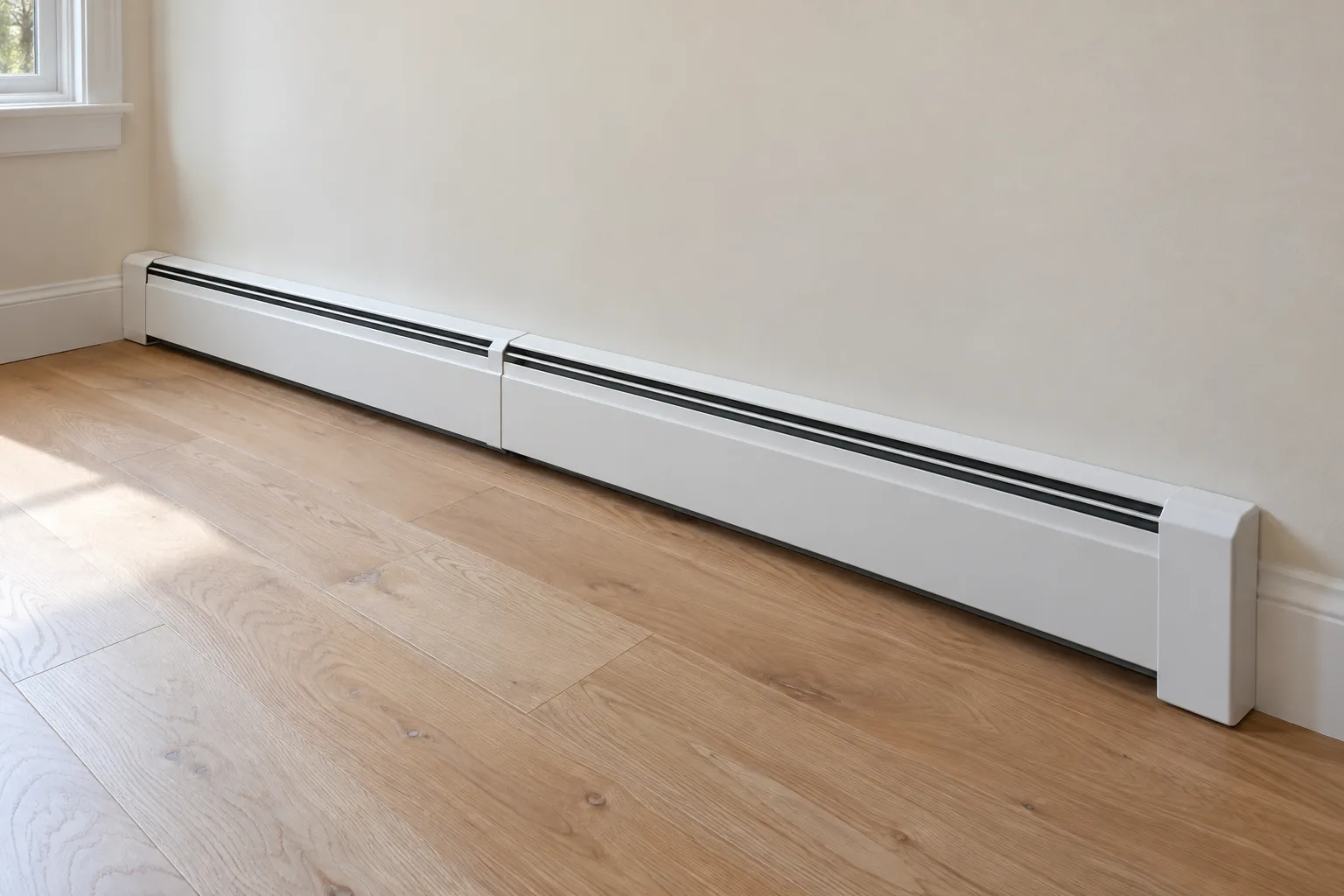
Slant/Fin lists precut replacement sections from 2 to 8 feet long. It also offers filler sleeves to cover seams where sections meet. This Old House recommends measuring the baseboard’s length to estimate the material needed. It also recommends measuring the height to choose the right cover type. On a long wall, plan where joints and corners will land before choosing sections. A seam behind furniture may draw less attention than one beside a doorway. On an exposed run, place joints where they look balanced along the baseboard.
Which Baseboard Cover Option Fits Your Situation?
The main options differ in what they cover and what they need behind them. | Option | Covers | Main fit check | |---|---|---| | Trim overlay | Existing architectural baseboard | Height and projection | | New baseboard trim | Wall edge after old trim is removed | Wall and floor condition | | Slip-over heater cover | Existing heater back panel | Heater height and depth | | Sectional heater cover | A longer heater run | Section lengths and seams |
| Option | Covers | Main fit check |
|---|---|---|
| Trim overlay | Existing architectural baseboard | Height and projection |
| New baseboard trim | Wall edge after old trim is removed | Wall and floor condition |
| Slip-over heater cover | Existing heater back panel | Heater height and depth |
| Sectional heater cover | A longer heater run | Section lengths and seams |
The table’s key distinction is whether heating equipment sits behind the visible surface. Trim overlays are chosen to conceal molding; heater covers must accommodate the back panel and element. For longer heater runs, sectional pieces and filler sleeves can help bridge length differences, but the joints and end details still affect the finished appearance.
How to Plan Sections and Attach a Heater Cover
Choose sections and finishing pieces based on the wall run and whether the cover hides molding or surrounds a heater. Slant/Fin lists replacement covers in lengths from 2 to 8 feet, including a 3.5-foot option. For a longer run, its instructions say to join standard-length sections to match the existing cover. Filler sleeves can cover seams between sections. They also come in several lengths to fill some remaining gaps. Before choosing pieces, sketch each wall and mark its length, corners, door openings, and exposed ends. That layout helps you plan the sections and finish pieces for each run.
Check how the cover attaches and what must be removed. Slant/Fin says to remove the old accessories, front panel, and damper before slipping its replacement over the back panel. It says loosening the back panel from the wall may also be necessary. Baseboarders says its retrofit covers fit a wide variety of existing baseboard heating systems without removing the backplate. That is a product-specific example, not a guarantee for every heater or cover. For a heater, ask for a demonstration of the attachment points and clearance around the element. Also check how the ends and corners finish. Seeing only the front panel come off does not show whether the replacement suits the equipment behind it.
How to Choose a Finish for Baseboard Covers
Also consider the room’s finish. Slant/Fin lists a powder-coated finish for its cover. Slant/Fin advises ordering paint chips for an accurate color match. Use a sample to compare the cover with nearby trim and wall color. For architectural trim, compare the profile, thickness, and paint finish with door casings and nearby rooms. A taller overlay can hide more of the old baseboard. It can also change how the trim meets a doorway or projects into the room. For a heater, decorative fit is only one consideration. The replacement must fit the existing heater arrangement. Follow the manufacturer’s instructions for removal or modification around the heating element.
FAQs
Can I put new baseboard over old baseboard?
Yes, an overlay can cover existing architectural baseboard if its height and projection leave a clean fit at the floor, walls, and door trim. Measure the old molding first, then compare profiles and thicknesses. If the old baseboard contains or conceals a heater, choose a heater-specific cover instead.
How do I measure for a baseboard heater cover?
Measure the heater’s length, height, and depth, including the element and wall plate. Slant/Fin’s guide asks for the floor-to-top-of-wall-plate height, element height, full length, and distance from the wall plate to the element’s outside edge. Compare those measurements with the replacement cover’s stated size limits before selecting sections or end pieces.
Do replacement baseboard heater covers fit every heater?
No; fit depends on the existing heater’s dimensions and design. Slant/Fin says its Revital/Line cover fits most standard residential and light commercial baseboard, while its guide gives specific maximum dimensions. Check the product’s measurement guide against your heater, and confirm how its back panel, element, ends, and corners are handled before choosing a cover.
Conclusion
Choose an overlay when you want to conceal architectural baseboard. For a heater-cover replacement, first check the equipment’s measurements and cover requirements. If your home is in Deltona, Florida, call Windows and Doors by Martin Toro about your project. Ask which details to measure before choosing a direction.
Call Windows and Doors by Martin Toro and ask about trim and millwork